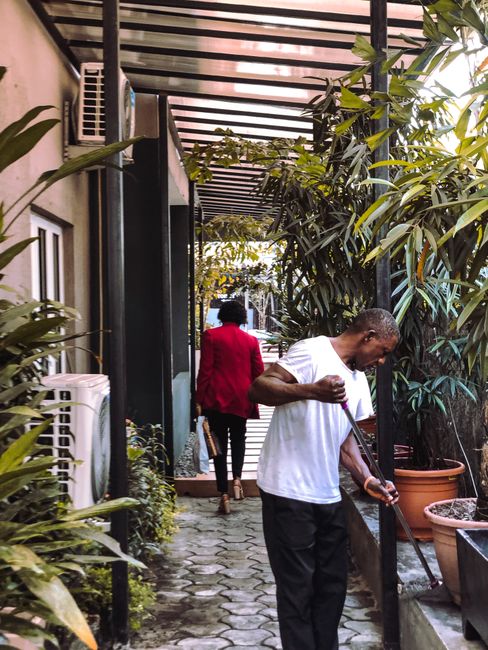
N4 gardeners available for small courtyard projects
Small courtyards can be tricky little spaces. They often sit somewhere between a blank canvas and a puzzle: not quite big enough for everything you want, but just enough room to create something genuinely lovely. If you are looking for N4 gardeners available for small courtyard projects, you are probably after more than tidy borders and a quick sweep-up. You want a space that feels calm, useful, and easy to live with, without turning the whole thing into a major building job.
That is exactly where the right gardener helps. A good courtyard project is part design, part practical maintenance, and part common sense. In this guide, we will walk through what small courtyard work usually involves, how to plan it properly, what to avoid, and how to get the most from a modest space. If you are weighing up options, this should make the next step much clearer. And yes, even a courtyard the size of a postage stamp can be transformed if it is handled properly.
For readers comparing broader help across different garden jobs, it can also be useful to look at the full services overview and, if regular upkeep matters, ongoing garden maintenance support. Those pages are handy if your courtyard needs more than a one-off refresh.
Table of Contents
- Why N4 gardeners available for small courtyard projects matters
- How N4 gardeners available for small courtyard projects works
- Key benefits and practical advantages
- Who this is for and when it makes sense
- Step-by-step guidance
- Expert tips for better results
- Common mistakes to avoid
- Tools, resources and recommendations
- Law, compliance, standards, or best practice
- Options, methods, or comparison table
- Case study or real-world example
- Practical checklist
- Conclusion
- Frequently asked questions
Why N4 gardeners available for small courtyard projects Matters
Courtyard gardens are different from larger outdoor spaces. They are usually enclosed, often overlooked, and full of awkward edges, hard surfaces, drainage quirks, or patchy shade. That means the usual "just plant a few shrubs and mow the lawn" approach does not always work. In a smaller space, every decision is visible. Every bad proportion stands out. Every drainage issue becomes annoying very quickly.
This is why N4 gardeners available for small courtyard projects matter so much. The right gardener understands how to make compact spaces feel larger, calmer, and more intentional. They can look at a tight area and see where to simplify, where to soften, and where to add structure without cluttering it. To be fair, that is half the battle.
A courtyard project also matters because these spaces often become everyday spaces rather than "nice-to-have" gardens. People use them for morning coffee, a couple of pots of herbs, a bench in the evening, or just something green to look at through the kitchen window. When that happens, the garden needs to feel good in real life, not just in theory.
There is also the practical side. A small courtyard can be costly to improve if the work is poorly planned. Materials may be over-ordered, features may be squeezed in awkwardly, and maintenance can become a nuisance. Experienced gardeners reduce that risk by keeping the design sensible and the scope clear from the start.
Expert summary: In small courtyard work, restraint usually creates better results than cramming in features. The best gardens often feel simple, balanced, and easy to keep looking good.
How N4 gardeners available for small courtyard projects Works
Most courtyard projects follow a fairly straightforward path, even if the final result looks polished and effortless. First comes the site visit or initial discussion. This is where the gardener assesses the layout, access, existing surfaces, light levels, and what is already working. In a small space, those details matter more than people expect. A shady north-facing courtyard, for example, will need a very different plant palette from one that gets a few hours of sun at midday.
Next comes the practical plan. That might include clearing overgrowth, refreshing beds, improving containers, laying new materials, adjusting edging, or creating a simple maintenance plan. If the courtyard is cluttered or neglected, garden clearance may be the first sensible step before any planting or decorative work begins.
Then the project moves into the actual work phase. Depending on the brief, that could involve:
- removing tired or overgrown plants
- reworking soil and compost in containers or beds
- choosing compact, shade-tolerant, or low-maintenance planting
- repairing or refreshing hard landscaping
- adding gravel, paving, edging, or timber features
- setting up a watering routine or maintenance schedule
In many courtyard projects, the gardener also needs to think about access. Small spaces can be awkward to carry through, especially if materials have to pass through a house, side gate, or narrow passage. Good planning avoids those "oh dear, this bag is not fitting through there" moments. We have all seen that sort of thing happen, and it is never elegant.
Finally, the work should end with a clear handover. That means the client understands how to water, prune, deadhead, clean, and maintain the courtyard going forward. If the project includes regular upkeep, a service like lawn mowing may not be relevant in a hard-surfaced courtyard, but the wider principle remains the same: a good outdoor space stays good because someone knows how to look after it.
Key Benefits and Practical Advantages
There are a lot of reasons people choose small courtyard gardening help, but the strongest ones are usually the simplest. A well-designed courtyard makes daily life nicer. It feels more welcoming, more usable, and less like a forgotten bit of outdoor leftover space.
Here are the main advantages.
- Better use of limited space. A courtyard needs proportion. Good gardeners know how to make small areas feel intentional instead of cramped.
- Less maintenance stress. The right plants and materials can save time every week. That is a big deal if you are busy.
- Improved first impressions. Courtyards are often visible from kitchens, entrances, or side doors. A tidy one quietly improves the whole property.
- More comfort and atmosphere. Soft planting, a bit of structure, and clean surfaces can change the feel of the whole space.
- Smarter spending. Good planning reduces waste. You buy the right amount, choose the right finish, and avoid rework.
There is also a less obvious benefit: confidence. Once a courtyard feels under control, people tend to use it more. They sit outside, open the doors more often, and stop treating the space like a problem. That changes things.
For some properties, the biggest gain comes from combining planting with simple structure, such as edging, a small decked section, or improved paving. If that sounds familiar, decking services and landscaping support may be relevant depending on the condition and layout of the courtyard.
Who This Is For and When It Makes Sense
Small courtyard projects are a strong fit for a few different types of homeowners and property managers. If your outdoor space is compact, overlooked, difficult to style, or simply not being used, this kind of service is likely a sensible option.
You may benefit if:
- your courtyard looks tired, cluttered, or patchy
- you want a low-maintenance outdoor space for everyday use
- you have recently moved into a property and want a fresh start
- the space has poor layout, awkward drainage, or no clear purpose
- you need help balancing planting with hard surfaces
- the garden is small enough that a full landscaping company would feel like too much, but a capable gardener is exactly right
It also makes sense if you want the space to do a specific job. Maybe you need a quiet spot for a chair and a pot of lavender. Maybe you want privacy from neighbouring windows. Maybe you want a cleaner, more modern look with fewer plants and more structure. A courtyard project works best when there is a clear outcome in mind, even if it is just "please make this place feel sorted."
On the other hand, if the courtyard needs substantial rebuilding, retaining work, or major structural changes, you may need a more involved approach. In that situation, landscape gardening or a broader scope of work may be more appropriate than routine garden tidy-up alone. That distinction matters, and it saves disappointment later.
Step-by-Step Guidance
If you are planning a courtyard project, a simple step-by-step process keeps things grounded. It is easy to get distracted by pretty ideas on the day, then forget the practical bits. Happens all the time.
1. Look hard at the space as it is now
Before choosing plants or features, notice what the courtyard actually does. Where is the light? Where does water sit after rain? What do you see from inside? Which corner feels dead? A five-minute look sometimes tells you more than a whole mood board.
2. Decide on the main purpose
Do you want the courtyard to be restful, productive, child-friendly, pet-friendly, private, or mostly low-maintenance? You do not need all of these at once. In a small space, one or two priorities are usually enough.
3. Clear out what is no longer helping
Old pots, broken planters, dying plants, weeds in paving joints, and unused clutter all make a small space feel smaller. Clearing first is often the smartest move. A neat base gives you much better design choices.
4. Set the structure before the decoration
In compact gardens, structure matters more than ornament. Think paths, edging, seating position, surfaces, and vertical elements first. Then add the softer details afterwards. If you get the bones right, the rest tends to follow.
5. Choose the right planting
Plants should suit the light, the size of the courtyard, and how much attention you actually want to give them. For example, a tight shade courtyard may need ferns, evergreen structure, or shade-tolerant climbers rather than thirsty sun-loving plants that will sulk by July.
6. Build in easy maintenance
This is where the job gets clever. A courtyard that looks lovely but takes constant rescue work is not a win. Keep plant numbers realistic, use containers where they help, and avoid overcomplicated schemes unless you genuinely enjoy that kind of thing.
7. Finish with a care plan
Know who will water, when pruning happens, and how the space will be kept tidy. If the aim is long-term ease, a simple maintenance rhythm is worth more than fancy extras. Quietly, that is often where the real value sits.
Expert Tips for Better Results
Small courtyard work rewards restraint, planning, and a bit of local common sense. You do not need a huge list of tricks. A few good decisions usually do the job.
- Use fewer plant varieties. Repetition creates calm. A mix of too many shapes and colours can make a tiny courtyard feel busy in a bad way.
- Choose vertical interest. Trellises, climbers, and wall planting can lift the eye without using floor space.
- Keep materials consistent. Too many paving colours, pot styles, or finishes can make the space feel fussy.
- Think about sightlines. What you see from the kitchen window matters. A courtyard should look composed from inside as well as outside.
- Leave breathing room. Empty space is not wasted space. In a small garden, it can be the thing that makes everything else look better.
- Plan for maintenance on a wet Tuesday in November. That is the real test, not how it looks on a sunny afternoon.
If you are unsure how much upkeep you want, it can help to ask for options that range from very low-maintenance to a slightly more decorative finish. The right answer is not always the most elaborate one. Sometimes a clean, well-edged courtyard with strong pots and simple planting is the best outcome by far.
A quick note on communication: tell the gardener what you want to avoid as clearly as what you want to include. If you hate messy leaf fall, say so. If you want space for a chair and table, say that too. It saves time and, frankly, saves a few headaches.
Common Mistakes to Avoid
Courtyard projects often go wrong for familiar reasons. The good news is that most of these are easy to avoid once you know what to look for.
- Trying to fit in too much. A tiny space cannot behave like a large garden. Pushing too many ideas into it usually creates clutter.
- Ignoring drainage. If water sits on the surface or near containers, the space will become frustrating very quickly.
- Choosing plants for the picture, not the conditions. A plant may look lovely in a catalogue and still be hopeless in your courtyard.
- Forgetting access. Materials, skips, tools, and plant delivery all need to get in somehow. Small spaces often have awkward entry points.
- Overlooking maintenance. A design that only looks good on installation day is not much of a design at all.
- Using poor-quality fixings or finishes. In a cramped environment, tired edges and cheap details show up fast.
There is also a softer mistake: people sometimes ask for a "nice courtyard" without defining what nice means. That sounds harmless, but it can produce a vague result. Better to say whether you want modern, relaxed, neat, lush, minimalist, or family-friendly. The clearer the brief, the better the outcome.
Tools, Resources and Recommendations
Not every courtyard project needs heavy equipment or specialist machinery. In many cases, the right tools are simple, and the skill lies in how they are used. For small-space work, the most helpful resources are often practical ones: good pruning tools, clean containers, quality compost, proper edging tools, and a sensible watering setup.
Some projects also benefit from a few supporting services:
- hedge trimming if boundaries are overgrown and closing in
- tree lopping and removal where shade, roots, or branch overhang are causing problems
- garden clearance if the space needs a proper reset first
- recycling and sustainability guidance if you want waste handled responsibly
- payment and security information if you are checking how a service is managed
For a better experience overall, ask about the practical side of the job as well as the creative side. How will waste be removed? What happens to old soil or broken materials? Will the work be split into stages? Will the final layout support future maintenance? Those are the questions that often separate a decent job from a genuinely good one.
And if you are comparing providers, it is worth looking at the company background too. A simple read through the about page can tell you a lot about how they approach service, while insurance and safety information helps reassure you that the work is being handled responsibly.
Law, Compliance, Standards, or Best Practice
Small courtyard work is usually straightforward, but a few standards and best practices still matter. If the job involves waste removal, garden clearance, ladders, tools, or heavy lifting, safety should be taken seriously. Good contractors work neatly, keep access routes clear where possible, and avoid creating hazards for the household.
In the UK, it is also sensible to think about general property and neighbour considerations. For example, overhanging branches, shared boundaries, and drainage can all become awkward if they are ignored. A good gardener will not pretend those issues do not matter. They will flag them early and keep the job within sensible limits.
From a customer perspective, the best practice is simple:
- ask what is included in the quote
- confirm how waste will be handled
- check that the proposed work suits the site conditions
- keep written notes of the brief if the project is more than a quick tidy
- avoid approving extra work casually without understanding the impact on cost or timing
If anything feels unclear, slow down and ask. No drama needed. It is much easier to clarify a courtyard plan before work starts than after a pile of materials has already arrived. That said, good professionals will usually explain this stuff without fuss.
Options, Methods, or Comparison Table
Different courtyard projects call for different approaches. Some need a light tidy and a few smart improvements. Others need a more complete redesign. Here is a simple comparison to help you think it through.
| Approach | Best for | Main advantages | Trade-offs |
|---|---|---|---|
| Quick tidy and refresh | Courtyards that are mostly fine but untidy | Fast, affordable, good for immediate improvement | Does not solve deeper layout or drainage issues |
| Planting-led update | Spaces with good surfaces but weak visual appeal | Softens the area, adds colour and atmosphere | Needs the right light and maintenance plan |
| Structure-led redesign | Courtyards with awkward flow or poor use of space | Improves layout, usability, and long-term value | Usually takes more planning and budget |
| Low-maintenance rebuild | Busy households wanting ease over complexity | Simple to keep tidy, practical and resilient | May feel less lush if over-simplified |
There is no single right answer. A lot depends on how much change you want and how much time you are happy to spend maintaining the result. Truth be told, many people are happiest with a balanced middle ground: a courtyard that looks finished, not overworked.
Case Study or Real-World Example
Imagine a narrow N4 courtyard behind a terraced property. It has uneven paving, a few tired pots, one stubborn patch of shade, and a bit of clutter tucked under the fence line. Nothing dramatic. Just a space that has quietly slipped into the background.
The first sensible move is to clear the debris and remove the things that are not helping. Old containers, broken bamboo canes, weeds, and spare materials go out. Then the gardener looks at the shape of the space: where the eye lands from the back door, where water sits after rain, and which wall gets the best light.
Instead of packing in lots of small features, the garden is simplified. A clean seating area is kept clear, a couple of larger containers are used rather than many tiny ones, and one vertical planting element helps draw attention upward. Plant choices lean toward reliable structure and shade tolerance, because there is no point pretending the sun is better than it is. It is not.
The result is not flashy. But it works. The courtyard feels calmer, easier to sweep, and more inviting in the evening light. The owner can now use it for a chair, a cup of tea, and a few herbs without feeling like they are sitting in a storage corner. That is the real win.
Sometimes the biggest transformation in a small garden is simply making it feel finished. Not crowded. Not fussy. Finished.
Practical Checklist
Use this checklist before starting a small courtyard project.
- Decide whether the main goal is relaxation, practicality, planting, or low maintenance
- Check access for tools, materials, and waste removal
- Note light levels throughout the day
- Identify drainage issues or standing water
- Remove clutter, dead plants, and anything broken
- Choose a style that suits the size of the courtyard
- Keep the number of materials and plant types manageable
- Ask how the space will be maintained after the work is finished
- Confirm what is included in the quote
- Make sure the final layout leaves enough room to use the space properly
If you want a smoother experience, it helps to have the practical details ready before the gardener visits. A few photos, rough measurements, and a short list of priorities can make a surprising difference. Simple stuff, but it saves time.
Conclusion
Finding N4 gardeners available for small courtyard projects is really about finding someone who understands scale. Small spaces need judgement, not just labour. They need someone who can look at a cramped, slightly awkward courtyard and see what will actually improve daily life, not just what will fill the area.
When the work is planned well, a courtyard can become one of the most useful parts of a property. It can be easier to maintain, nicer to look at, and much more enjoyable to spend time in. That is true whether you want a simple refresh or a more thoughtful redesign.
Get a free quote today and see how much you can save.
If you are ready to talk through your ideas, use the contact page to start the conversation. If you are still comparing services, a look at pricing and quotes can help you understand the next practical step. And if you want to know more about the team behind the service, about us is a sensible place to begin.
Small courtyard gardens do not need to be complicated to be good. Often, they just need a steady hand, a clear plan, and someone who respects the space enough to get the details right. That is usually where the magic is, honestly.
Frequently Asked Questions
What does a small courtyard garden project usually include?
It usually includes clearing, tidying, planting, basic layout improvements, container work, and sometimes light hard landscaping. The exact scope depends on the condition of the space and what you want the courtyard to do day to day.
Can a small courtyard be made low-maintenance?
Yes. In fact, small courtyards are often ideal for low-maintenance design because the planting area is limited and the layout can be kept simple. The key is to avoid overplanting and choose materials and plants that suit the light and access conditions.
How do I know whether I need garden clearance first?
If the space is cluttered, overgrown, full of dead plants, or difficult to assess properly, clearance is usually the right first step. It creates a clean base and makes the rest of the project more straightforward.
Are courtyard projects suitable for shady spaces?
Absolutely. Shady courtyards can look excellent when the planting is chosen carefully. The main difference is that you need shade-tolerant plants and a design that uses structure, texture, and light reflection well.
Do I need landscaping or just gardening help?
If the courtyard mainly needs tidying, planting, and general improvement, gardening help may be enough. If the layout, surfaces, or levels need changing, then a more landscape-focused approach is likely better.
How long does a small courtyard project take?
That depends on the amount of clearing, planting, and structural work involved. A simple refresh can be quite quick, while a more detailed redesign takes longer. The best answer usually comes after a proper look at the space.
What should I ask before booking?
Ask what is included, how waste will be removed, whether the work suits your light and access conditions, and what maintenance will be needed afterwards. Those questions help prevent surprises later.
Can a courtyard include decking or similar features?
Yes, if there is room and the design suits it. Small courtyards can work well with modest decking sections, especially if they help create a usable sitting area or define the space more clearly.
What if I want privacy in a small courtyard?
Privacy can often be improved with screening plants, trellis, climbing plants, or careful placement of taller features. The trick is to create privacy without making the courtyard feel boxed in.
Is it worth investing in professional help for such a small space?
Usually, yes. In a small courtyard, mistakes are easy to see and harder to hide. Professional help can save time, reduce waste, and deliver a result that feels more balanced and durable.
Can I keep the courtyard looking good with minimal effort?
Yes, if the project is planned with maintenance in mind from the beginning. Choose fewer plant types, keep the layout uncluttered, and set a simple care routine. The less fuss, the better, usually.
Where can I learn more about the company and its approach?
You can read the services overview for a broader picture, then check insurance and safety information for peace of mind. If you prefer, you can also review recycling and sustainability details to see how waste and materials are handled.