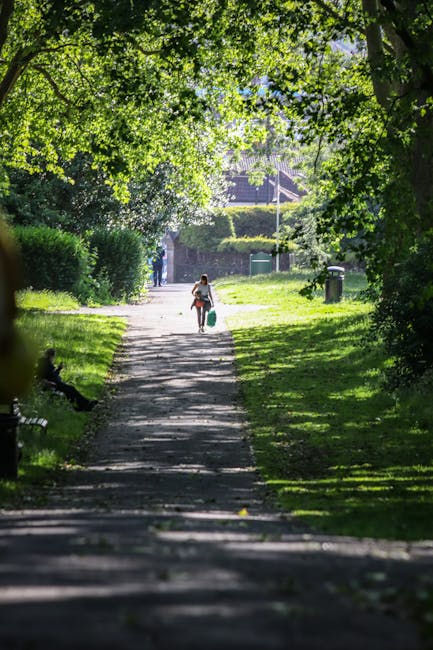
Finsbury Park gardeners for Stroud Green Road gardens: practical local care, tidy results, and the right support for busy homes
If you live on or near Stroud Green Road, you already know the pace of the street: front gardens that need to look presentable, back gardens that can turn unruly after a few wet weeks, and narrow access that makes even simple jobs a bit fiddly. That is exactly where Finsbury Park gardeners for Stroud Green Road gardens come in. The right team does more than cut grass or trim hedges. They help you keep a garden safe, usable, and genuinely pleasant to spend time in, without turning your week upside down.
In a part of North London where space is often tight and standards are visible from the pavement, good garden care is not a luxury. It is a small but meaningful part of how a property feels. This guide explains what local gardening support involves, how it works in practice, which services tend to matter most, and how to choose the right help for your space. You will also find a checklist, a comparison table, and a realistic example of what a tidy-up project can look like.
Table of Contents
- Why Finsbury Park gardeners for Stroud Green Road gardens Matters
- How Finsbury Park gardeners for Stroud Green Road gardens Works
- Key Benefits and Practical Advantages
- Who This Is For and When It Makes Sense
- Step-by-Step Guidance
- Expert Tips for Better Results
- Common Mistakes to Avoid
- Tools, Resources and Recommendations
- Law, Compliance, Standards, or Best Practice
- Options, Methods, or Comparison Table
- Case Study or Real-World Example
- Practical Checklist
- Conclusion
- Frequently Asked Questions
Why Finsbury Park gardeners for Stroud Green Road gardens Matters
Stroud Green Road gardens sit in a very particular kind of urban setting. They are often visible, compact, and worked hard by the weather. You may have a small front patch that collects litter and leaf fall, a shared boundary hedge that grows faster than you expected, or a rear garden that becomes patchy after winter and needs a proper reset. None of that is unusual. It is just real life in London.
The point of choosing local gardeners is not only convenience, though that helps. It is the way local experience changes the result. A gardener who regularly works in Finsbury Park and nearby streets will understand access issues, parking realities, typical soil conditions, and the kind of maintenance rhythm that keeps gardens looking good without constant rescue work. To be fair, that difference shows up quickly. A rushed, one-off cut can leave a garden looking flatter, while thoughtful maintenance keeps structure, health, and appearance in balance.
There is also a trust element. When a garden is right outside the house or flat, you want work that feels neat, considerate, and dependable. That includes clearing debris properly, protecting planted areas, and not leaving a mess behind because, let's face it, nobody wants to come home to grass clippings on the path and a half-finished border.
If you want a clearer view of how a professional service is usually structured, the services overview is a sensible starting point. It gives you a practical sense of the types of help commonly needed in local gardens.
How Finsbury Park gardeners for Stroud Green Road gardens Works
Good gardening support usually starts with a conversation, not a lawn mower. A reputable team will want to understand what the space needs, how often it is used, and what outcome matters most to you. Is the goal simple maintenance? A seasonal tidy-up? A more complete garden refresh? The answer shapes the work.
For many Stroud Green Road properties, the process tends to follow a fairly practical pattern:
- Initial assessment. The gardener looks at access, borders, lawns, hedges, paving, and any overgrowth or damage.
- Prioritising the work. Safety and structure come first. That may mean hedge trimming, green waste removal, or a lawn reset before finer detailing.
- Carrying out the main tasks. This can include mowing, pruning, clearance, edging, weeding, planting, or light landscaping.
- Finishing and tidy-up. The final stage matters. A good finish makes the whole garden feel calmer and more intentional.
- Setting a maintenance rhythm. Some gardens need fortnightly care. Others only need seasonal visits. There is no universal answer, which is why local judgement matters.
What does this look like in practice? Imagine a back garden that has gone a bit wild after a damp spring. The borders are still there, but the shape is hiding under weeds, the hedge is leaning over the path, and the lawn has become more moss than grass. A proper visit may combine hedge trimming, lawn mowing, and a targeted clean-up so the space feels usable again rather than simply shorter.
For gardens with a bigger reset needed, garden clearance can be the most practical first step. It strips away the clutter and gives the rest of the work room to breathe.
Key Benefits and Practical Advantages
The obvious benefit is a better-looking garden. But the real value goes deeper than appearance.
- Less stress. You are not spending your weekend chasing weeds or wrestling with overgrown hedges.
- Safer outdoor space. Clear paths, sensible pruning, and tidy edges reduce trip hazards and awkward overhangs.
- Better plant health. Correct trimming and maintenance support growth instead of simply hacking things back.
- Stronger kerb appeal. On a busy road, a neat front garden makes a real difference.
- More usable space. A garden that feels ordered is easier to enjoy, even if it is small.
- Regular upkeep becomes easier. Once the structure is right, maintenance is simpler and usually less costly to manage over time.
There is a practical money angle too, although it should be treated carefully. Small problems tend to become big ones when ignored: hedges encroach, lawns decline, and neglected borders need heavier work later. Preventive care is rarely glamorous. But it works. And yes, it is usually easier on the nerves as well.
For some homes, adding structure such as paving, borders, or hardwearing features makes the space easier to live with. Where appropriate, services like landscaping or decking services can help turn a difficult garden into one that feels more usable across the year.
Who This Is For and When It Makes Sense
This kind of local garden support is useful for a lot of people, not just those with large plots. In fact, the smaller the garden, the more obvious the difference a good gardener can make.
You may benefit if you are:
- a homeowner who wants reliable regular upkeep
- a landlord preparing a property between tenancies
- a tenant trying to keep an outdoor space tidy without the tools or time
- an older resident who wants safe, manageable garden care
- a busy professional who would rather not spend Sunday afternoon untangling brambles
- someone planning a move and wanting the garden to present well
It also makes sense when the garden has become difficult to manage alone. Maybe you have missed a few weeks and suddenly everything has bolted. Maybe there is a hedge that was "fine for now" last month and now looks like it has opinions. That happens. More often than people admit, actually.
If you are comparing broader support options, garden maintenance is usually the best fit for ongoing care, while landscape gardening suits people who want a bigger rework of the space rather than routine upkeep.
Step-by-Step Guidance
If you are approaching a garden project on Stroud Green Road for the first time, keep it simple. A good result usually comes from sequencing the work properly.
- Walk the garden slowly. Note what feels overgrown, broken, weak, or just awkward.
- Decide your main priority. Is it safety, appearance, plant recovery, or making the space easier to maintain?
- Separate urgent tasks from nice-to-have tasks. A dangerous branch or blocked path matters more than decorative detail.
- Choose the right mix of services. For example, you may need lawn work, hedge cutting, and clearance in one visit.
- Ask about waste handling. Green waste can build up quickly, and removal should be part of the plan.
- Set a realistic follow-up rhythm. A one-off tidy is useful, but most gardens need some ongoing attention.
A small practical tip: take a few photos before the work starts. Not because you need a dramatic before-and-after social post, unless that is your thing, but because it helps you judge whether the job is improving the right parts of the garden.
If tree work is part of the plan, make sure it is handled carefully. Services such as tree lopping and removal are best approached with proper judgement, especially where overhanging branches, light access, or neighbouring properties are involved.
Expert Tips for Better Results
Little details matter. A lot. Especially in tight urban gardens where every square metre is visible.
- Trim for shape, not just length. A hedge or shrub should look balanced after cutting, not merely shorter.
- Do the edges. Crisp edges around lawns and beds make the whole space feel intentional.
- Keep access clear. On compact streets and shared walkways, clear routes make the work faster and safer.
- Respect seasonality. Heavy pruning at the wrong time can stress plants. Timing matters more than people think.
- Choose maintenance over rescue where possible. Regular care is usually less disruptive than major recovery work.
One thing experienced gardeners often notice: the visual difference between "cut" and "cared for" is huge. The first can look rushed. The second feels calm. That calm is what people are really paying for, in many cases.
If your garden has a mix of planting, pathways, and borders, ask for a plan that balances the whole space instead of treating every area the same. It sounds obvious, but it is missed more often than you would think.
Common Mistakes to Avoid
Most garden problems are not dramatic. They build slowly. The same goes for the mistakes people make when hiring help or managing the garden themselves.
- Choosing on price alone. Cheap work can become expensive if it has to be redone.
- Leaving everything until it becomes urgent. Overgrowth is harder to manage than regular maintenance.
- Ignoring access issues. A narrow side return, shared entrance, or parking restriction can affect timing and cost.
- Not being clear about the outcome. "Tidy it up" means different things to different people.
- Forgetting waste removal. Clippings, branches, and soil can take up far more space than expected.
- Over-pruning in one go. Some plants need gradual attention, not a full reset in a single visit.
There is also the classic mistake of assuming every garden needs the same treatment. It does not. A shaded courtyard, a narrow front strip, and a mature rear garden all behave differently. That is why local knowledge really helps.
When a garden is cluttered or awkwardly laid out, professional landscaping can solve recurring problems rather than just masking them. Sometimes the best fix is structural, not seasonal.
Tools, Resources and Recommendations
You do not need a van full of equipment to keep a small garden in shape, but the right tools make a job safer, cleaner, and less frustrating. A decent gardener will typically use a combination of cutting tools, edging tools, rakes, collection bags, and protective equipment suited to the task.
For homeowners who want to do a little between visits, the most useful items are usually:
- a sturdy pair of secateurs for small pruning
- a hand fork for borders
- a lightweight rake for leaves and loose debris
- a watering can or hose arrangement that suits the layout
- gloves, because thorny shrubs have no manners at all
Where the aim is to simplify future maintenance, it can help to rethink the space a little. Raised borders, sensible planting density, and cleaner lines all reduce the amount of ongoing work. If you are considering that kind of improvement, the landscape gardening service page is a useful reference point.
For established gardens that need periodic care rather than a redesign, a structured service plan is often the smartest move. You get consistency, and the garden stops swinging between "fine" and "slightly out of control," which is a very London pattern, truth be told.
Law, Compliance, Standards, or Best Practice
Garden work is not usually a highly regulated activity in the way some trades are, but that does not mean standards are optional. Good practice still matters. Safety, responsible waste handling, neighbour consideration, and careful use of tools all come into play.
For work near boundaries, pathways, shared entrances, or overhanging trees, a careful approach is essential. If a job could affect a neighbour's access or property, it should be planned respectfully and communicated clearly. That is not bureaucracy; it is just good practice.
Where waste is involved, responsible clearance and recycling are worth asking about. Green waste should be managed properly, and a professional service should be able to explain how they handle disposal in line with normal UK expectations. If sustainability matters to you, take a look at the company's recycling and sustainability approach so you know how the waste side is treated.
It is also sensible to check that the business operates with suitable care around safety and insurance. Gardening may seem low-risk compared with building work, but ladders, cutting tools, lifting, and tree work all introduce avoidable hazards. Pages such as insurance and safety and the health and safety policy are useful trust signals when you are deciding who to book.
If you want more background on how the business presents itself and what it stands for, the about us page is worth a read. It helps you judge whether the service feels organised and professional, not just available.
Options, Methods, or Comparison Table
Not every garden needs the same kind of help. Some spaces just need regular mowing and a light tidy. Others need a much broader reset. Here is a simple comparison to make the choice easier.
| Approach | Best for | Typical strengths | Watch-outs |
|---|---|---|---|
| Routine maintenance | Gardens that are already in decent shape | Consistent results, less stress, easier planning | Won't solve major overgrowth on its own |
| One-off tidy-up | Gardens that have slipped a bit | Quick visual improvement, good for seasonal resets | Can lapse again without follow-up care |
| Clearance and recovery | Very neglected or cluttered gardens | Removes obstruction, reveals the real structure | May take more time and planning |
| Reshaping or landscaping | Gardens with awkward layout or recurring issues | Longer-term improvement, easier upkeep later | Usually needs a clearer brief and budget |
For many Stroud Green Road gardens, the best answer is a blend: maintenance for the routine work, plus targeted improvements where the layout or planting has become awkward. If a boundary hedge is dominating the space, hedge trimming can be the quickest win. If the garden is uneven and difficult to use, structural changes may be more helpful than repeated patch repairs.
Case Study or Real-World Example
Here is a realistic example based on the kind of work often needed in this part of London.
A small rear garden off Stroud Green Road had become difficult to use after a wet season. The lawn was thin, one side hedge had pushed into the path, and the patio edge was hidden under leaf build-up and weeds. The owner wanted the space to feel calm again without redesigning everything from scratch.
The work was handled in stages. First, the overgrowth was cut back and the garden was cleared enough to expose the shape of the space. Then the hedge was reduced carefully, the lawn was cut and edged, and the borders were tidied to restore definition. A few awkward plants were removed or reshaped. Nothing flashy. Just sensible, careful work.
The result was not a "new" garden, and that was the point. It became usable again. You could walk the full length without brushing past the hedge. You could see the paving properly. The space looked larger simply because it was no longer crowded. That kind of improvement is easy to underestimate until you feel it for yourself on a bright afternoon when everything smells a bit of damp soil and fresh cut grass.
If the garden had needed a deeper reset, the next step might have included a more complete garden clearance or a small redesign through landscaping. But for this situation, the practical choice was a tidy, measured intervention.
Practical Checklist
Use this before booking work or planning a garden visit. It keeps things simple.
- Define your main goal: maintenance, clearance, recovery, or redesign.
- List the key problem areas: lawn, hedge, borders, access, waste, or structure.
- Decide whether the job is one-off or recurring.
- Check access details: gates, steps, side paths, parking, or shared entrances.
- Think about waste removal.
- Note any sensitive plants or features.
- Ask about safety and insurance.
- Review whether sustainability matters to you.
- Confirm the expected finish. Neat, cleared, cut back, fully reset, or something in between.
- Plan the next visit. Gardens stay nicer when the gap between visits is sensible.
Small checklist, big difference. It stops the usual muddle.
Get a free quote today and see how much you can save.
Conclusion
Finsbury Park gardeners for Stroud Green Road gardens are not just about making things look neat for a day. The real value is in bringing a garden back to a condition that feels manageable, safe, and pleasant to live with. In a busy urban setting, that matters more than people sometimes admit.
If you need regular maintenance, a one-off tidy-up, or a more considered reset, the best results usually come from clear priorities, practical sequencing, and a local team that understands the realities of London gardens. Start with the issue that is causing the most friction. Then build from there. Simple, really. Not always easy, but simple.
And once the job is done, you notice it in the small things: the cleaner edge along the path, the softer movement of a hedge in the breeze, the way the space suddenly feels like yours again. That is often the real win.
Frequently Asked Questions
What do Finsbury Park gardeners for Stroud Green Road gardens usually help with?
They usually help with routine maintenance, lawn mowing, hedge trimming, garden clearance, light landscaping, and seasonal tidy-ups. The exact mix depends on the condition of the garden and what you want it to look like afterwards.
How often should a Stroud Green Road garden be maintained?
It depends on the garden, but many urban spaces benefit from regular attention rather than long gaps between visits. Fast-growing hedges and lawns may need more frequent care, while planted beds might only need seasonal visits.
Is a one-off garden tidy-up enough?
Sometimes yes, especially if the garden is broadly healthy and just needs a reset. If the space has ongoing issues such as heavy overgrowth, poor layout, or recurring weed growth, ongoing maintenance is usually the better long-term option.
What is the difference between garden maintenance and garden clearance?
Garden maintenance is ongoing care to keep things tidy and healthy. Garden clearance is more about removing overgrowth, clutter, and accumulated waste so the garden can be brought back under control.
Do small London gardens really benefit from professional help?
Absolutely. Small gardens often benefit the most because every square metre matters. A careful cut, tidy border, and well-managed hedge can make a cramped space feel calmer and more usable.
Can gardeners help if my hedge is too tall or wide?
Yes. Hedge trimming is a common job, and it is often one of the quickest ways to improve the look and function of a garden. If the hedge has become too dominant, it may need a more considered reduction rather than a simple light trim.
Do I need landscaping, or is basic maintenance enough?
If the garden is mostly healthy but untidy, maintenance may be enough. If the layout is awkward, drainage is poor, or the space is difficult to use, landscaping might make more sense because it addresses the structure rather than just the surface.
What should I ask before booking a gardener?
Ask what is included, how waste is handled, whether the work is one-off or ongoing, and how access will affect the job. It is also sensible to ask about safety and insurance, especially if ladders, tree work, or heavier clearance is involved.
How do I know if a garden is ready for tree lopping or removal?
If branches are overhanging dangerously, blocking light, touching structures, or making the space hard to manage, it may be worth discussing tree work. That said, tree care should always be approached carefully and with the right judgement.
What makes a good gardener for Stroud Green Road properties?
A good local gardener understands compact access, urban planting conditions, and the need for tidy, respectful work. They should communicate clearly, leave the site neat, and suggest the right level of service rather than overselling unnecessary work.
How can I make future garden care easier?
Keep the layout simple, avoid overcrowding beds, stay on top of hedges and lawns, and book maintenance before the garden gets away from you. A small amount of regular care almost always saves effort later.
Where can I find more information about the company and its policies?
You can review the about us page for background, and the pricing and quotes page if you want to understand how estimates are approached. For service details, the services overview is also helpful.
How do I contact the team about my garden?
If you are ready to talk through your garden and what it needs, use the contact us page to get started. A short description of the space and the main issue is usually enough to begin the conversation.